Marburg virus is one of the most dangerous infectious diseases known to humanity, often compared to Ebola due to its severe symptoms and high fatality rate. Marburg virus disease This rare but deadly illness has gained global attention because of its sudden outbreaks and the serious health risks it poses. It belongs to the same virus family as Ebola and causes a type of illness known as viral hemorrhagic fever, which can lead to internal bleeding and organ failure.
Health organizations such as the World Health Organization closely monitor Marburg outbreaks because of their potential to spread rapidly and overwhelm healthcare systems. Although outbreaks are usually limited to specific regions, the increasing global connectivity has raised concerns about its possible spread to other parts of the world.
What is Marburg Virus?
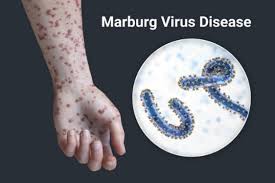
Marburg virus disease is a severe and often fatal illness caused by the Marburg virus, a member of the Filovirus family. This virus was first identified in 1967 during outbreaks in Germany and Serbia, where laboratory workers became infected after exposure to imported monkeys.
The disease is characterized by sudden onset of symptoms such as high fever, severe weakness, and bleeding disorders. It progresses rapidly and can affect multiple organs in the body, making it a life-threatening condition if not managed properly.
How Does Marburg Virus Spread?
The Marburg virus spreads through direct contact with infected bodily fluids, making it highly contagious in certain conditions. The primary natural hosts of the virus are fruit bats, particularly the African fruit bat species, which carry the virus without showing symptoms.
Human infection often begins through exposure to bat-inhabited caves or mines. Once a person is infected, the virus can spread to others through contact with blood, saliva, vomit, urine, or other bodily fluids. It can also spread through contaminated surfaces, medical equipment, or during burial practices where there is direct contact with the body of a deceased infected person.
Unlike airborne diseases, Marburg does not spread through casual contact or the air over long distances, but close and unprotected interaction significantly increases the risk of transmission.
Symptoms of Marburg Virus:
The symptoms of Marburg virus disease usually appear suddenly after an incubation period of about 2 to 21 days. The illness begins with flu-like symptoms that can quickly become severe.
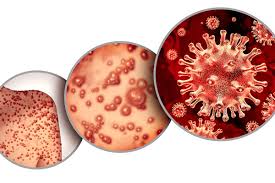
Early symptoms include high fever, chills, severe headache, and muscle aches. As the disease progresses, patients may develop nausea, vomiting, diarrhea, and abdominal pain. One of the most alarming features of the disease is the development of hemorrhagic symptoms, which include bleeding from the gums, nose, or internal organs.
Patients may also experience extreme fatigue, confusion, and organ dysfunction. In severe cases, the infection can lead to shock, multi-organ failure, and death. The rapid progression and severity of symptoms make early detection and supportive care crucial.
Causes of Marburg Virus:
The primary cause of Marburg virus disease is infection with the Marburg virus, typically through exposure to infected animals or humans. The virus is naturally carried by fruit bats, and human infection often occurs in environments where these bats are present.
Secondary transmission occurs through close contact with infected individuals or contaminated materials. Poor infection control practices in healthcare settings can also contribute to the spread of the virus. Handling infected animals or consuming improperly cooked meat from infected animals may also pose a risk.
Environmental factors, such as living near bat habitats or working in mines and caves, increase the likelihood of exposure. Lack of awareness and limited access to healthcare further contribute to the spread in affected regions.
Diagnosis of Marburg Virus:
Diagnosing Marburg virus disease can be challenging because its early symptoms resemble those of other common illnesses such as malaria or typhoid fever. Accurate diagnosis requires specialized laboratory testing.
Tests such as polymerase chain reaction (PCR) are used to detect the genetic material of the virus in blood samples. Other diagnostic methods include antigen detection tests and antibody tests, which help confirm infection.
Due to the high risk associated with the virus, samples must be handled in specialized laboratories with strict safety protocols. Early diagnosis is critical for isolating patients and preventing further transmission.
Treatment of Marburg Virus:
Currently, there is no specific antiviral treatment approved for Marburg virus disease. Medical care mainly focuses on supportive treatment to improve survival chances.
Supportive care includes maintaining hydration, balancing electrolytes, managing blood pressure, and providing oxygen support if needed. Treating specific symptoms, such as fever and pain, also plays a role in patient care.
In severe cases, patients may require intensive care, including blood transfusions and organ support. Experimental treatments and vaccines are under development, but they are not yet widely available.
Early medical intervention significantly improves survival rates, making it essential to seek immediate care if symptoms appear.
Prevention of Marburg Virus:
Preventing Marburg virus disease involves reducing the risk of exposure and practicing strict hygiene measures. Avoiding contact with fruit bats and staying away from caves or mines where bats are known to live can lower the risk of infection.
Healthcare workers must use personal protective equipment (PPE) when treating suspected or confirmed cases. Proper sterilization of medical equipment and safe disposal of waste are crucial in preventing the spread.
In communities, avoiding direct contact with infected individuals and practicing safe burial procedures are essential preventive measures. Public awareness campaigns and education play a key role in reducing transmission.
Although research on vaccines is ongoing, there is currently no widely available vaccine for Marburg virus, making prevention strategies even more important.
Why is Marburg Virus a Global Concern?
Marburg virus is considered a global concern due to its high fatality rate, which can reach up to 80% in some outbreaks. Its ability to cause severe illness and spread in healthcare settings makes it a serious public health threat.
The lack of specific treatment and vaccines adds to the challenge of controlling outbreaks. In regions with limited healthcare infrastructure, the impact can be devastating.
Global travel and trade increase the risk of the virus spreading beyond its original regions, highlighting the need for international cooperation and surveillance.
Possible Complications:
Marburg virus disease can lead to several severe complications, especially in untreated cases. These include severe dehydration, organ failure, and widespread bleeding.
Neurological complications such as confusion, aggression, and seizures may occur in advanced stages. Survivors may experience long-term health issues, including weakness and psychological effects.
The high risk of complications emphasizes the importance of early detection and proper medical care.
Who is at Higher Risk?
Certain groups are at higher risk of infection and severe outcomes. These include healthcare workers, family members caring for infected individuals, and people living in or traveling to outbreak areas.
Individuals with weakened immune systems may also be more vulnerable to severe disease. Workers in mines or caves where bats reside are at increased risk due to direct exposure to the virus’s natural host.
Frequently Asked Questions:
Many people ask whether Marburg virus is the same as Ebola. While they are closely related and share similar symptoms, they are caused by different viruses. Another common question is whether the disease is curable; currently, there is no specific cure, but supportive care can improve survival.
People also wonder if the virus can spread through the air. The answer is no, it primarily spreads through direct contact with bodily fluids.
Final thoughts:
Marburg virus disease is a highly dangerous infection that requires global attention and awareness. Its severe symptoms, high fatality rate, and lack of specific treatment make it a serious health threat. However, with proper preventive measures, early diagnosis, and supportive care, the impact of the disease can be reduced.
Understanding how the virus spreads and recognizing its symptoms are essential steps in protecting individuals and communities. By staying informed and following health guidelines, it is possible to minimize the risks associated with this deadly disease and contribute to global health safety.