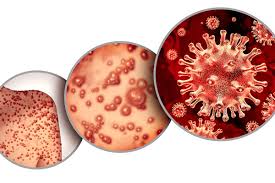
Monkey pox is a viral disease that has attracted significant global attention in recent years due to its increasing number of reported cases and its ability to spread between humans. Monkey pox Although it was once considered a rare infection limited to certain regions, it has now become a topic of widespread concern and online search interest. The disease is classified as zoonotic, meaning it can be transmitted from animals to humans, but recent outbreaks have confirmed that human-to-human transmission is also possible. Health authorities such as the World Health Organization have closely monitored its spread and issued guidance to limit its impact.
What is Mpox?
Monkey pox is a viral infection caused by the monkey pox virus, which belongs to the Orthopox virus family, the same group that once included the smallpox virus. The disease typically presents with fever, body aches, and a distinctive skin rash that develops over time. While it is generally a self-limiting illness that resolves within a few weeks, it can still cause discomfort and, in some cases, lead to complications, particularly in individuals with weakened immune systems.
How Does Monkeypox Spread?
The spread of Monkey pox occurs through multiple pathways, making it important to understand how transmission takes place. The virus can pass from one person to another through close physical contact, especially when someone comes into direct contact with the skin lesions, rashes, or bodily fluids of an infected individual. Respiratory droplets may also contribute to transmission during prolonged face-to-face contact. In addition, Mpox can spread from animals to humans through bites, scratches, or direct exposure to infected animal fluids. Another important route of transmission involves contaminated objects such as clothing, bedding, or towels that have been used by an infected person, which can carry the virus and infect others.
Symptoms of Monkey pox:
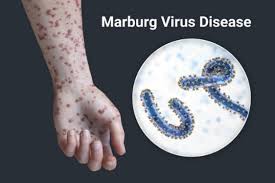
The symptoms of Monkey pox usually appear within six to thirteen days after exposure, although in some cases the incubation period may extend up to twenty-one days. The illness often begins with early symptoms such as fever, severe headache, muscle aches, back pain, fatigue, and swollen lymph nodes. These initial signs are followed by the development of a skin rash, which is the most distinctive feature of the disease. The rash typically starts on the face and gradually spreads to other parts of the body, including the hands, feet, mouth, and eyes. Over time, the rash progresses through several stages, beginning as flat red spots that develop into raised bumps, then turning into fluid-filled blisters, followed by pus-filled lesions, and finally forming scabs that fall off as healing occurs.
Causes of Mpox:
The primary cause of Mpox is infection with the monkeypox virus, but several contributing factors increase the risk of its spread. Close and prolonged contact with an infected person significantly raises the likelihood of transmission, particularly when protective measures are not taken. Exposure to contaminated materials such as clothing, bedding, and personal items also plays a major role. Individuals with weakened immune systems are more vulnerable to infection and may experience more severe symptoms. Additionally, traveling to regions where outbreaks are occurring can increase the risk, especially when combined with poor hygiene or lack of awareness about preventive measures.
Diagnosis of Mpox:
Diagnosing Mpox requires both clinical evaluation and laboratory confirmation. Healthcare providers may initially suspect the disease based on its characteristic symptoms, especially the presence of a rash along with swollen lymph nodes. However, a confirmed diagnosis is typically made through polymerase chain reaction (PCR) testing, which involves analyzing samples taken from skin lesions to detect the virus. Blood tests and other laboratory methods may also support the diagnosis, but PCR remains the most reliable and accurate approach.
Treatment of Mpox:
There is currently no specific cure for Mpox, but most individuals recover within two to four weeks with appropriate supportive care. Treatment mainly focuses on relieving symptoms and preventing complications. Patients are encouraged to rest, stay hydrated, and use medications to manage fever and pain. In more severe cases, antiviral medications such as Tecovirimat may be prescribed under medical supervision. Hospitalization may be necessary if the patient develops serious complications, including breathing difficulties or involvement of sensitive organs like the eyes or brain. Early medical care plays an important role in ensuring a smooth recovery.
Prevention of Mpox:
Preventing Mpox largely depends on awareness and adopting proper precautionary measures. Maintaining good personal hygiene, such as frequent handwashing, significantly reduces the risk of infection. Avoiding close contact with individuals who show symptoms is equally important. In situations where contact cannot be avoided, protective measures such as wearing masks and using gloves can help minimize exposure. It is also essential to keep personal items like clothing and bedding clean and to isolate any potentially contaminated materials. Vaccination can offer additional protection, as the smallpox vaccine has shown effectiveness against Mpox. Practicing safe behaviors, including limiting unnecessary physical contact and avoiding travel to affected areas, further helps in reducing the spread of the virus.
Why is Mpox Considered Concerning?
Although Mpox is generally not highly fatal, it is still considered a public health concern because of its ability to spread and its potential to cause complications. The increasing number of cases worldwide and the possibility of outbreaks in new regions have raised awareness among health authorities. In some individuals, particularly those with weaker immune systems, the disease can become more severe and require medical attention.
Possible Complications:
If Mpox is not properly managed, it can lead to several complications. These may include secondary skin infections, pneumonia, vision problems, and in rare cases, inflammation of the brain known as encephalitis. Such complications highlight the importance of early diagnosis and proper care to prevent the condition from worsening.
Who is at Higher Risk?
Certain groups of people are more vulnerable to Mpox and may experience more severe outcomes. These include children, pregnant women, and individuals with weakened immune systems. Extra care and preventive measures are especially important for these populations to reduce the risk of infection and complications.
Difference Between Mpox and COVID-19:
Mpox and COVID-19 differ in several important ways, including their mode of transmission, symptoms, and overall impact on the body. While COVID-19 primarily spreads through airborne transmission and mainly affects the respiratory system, Mpox is more commonly transmitted through close physical contact and is characterized by its distinctive skin rash. The availability of vaccines and treatment options also differs between the two diseases, making it essential to understand their unique characteristics.
Frequently Asked Questions:
Many people wonder whether Monkey pox is dangerous, and the answer is that most cases are mild, although complications can occur in some individuals. Another common question is whether the disease can happen again; generally, infection provides some level of immunity, although this may vary. People also ask whether children can get Monkey pox, and the answer is yes, with children often being at higher risk of severe symptoms.
Conclusion:
Mpox is an emerging viral infection that has become increasingly important in global health discussions. Its symptoms, transmission methods, and potential complications make awareness essential for everyone. Although most cases resolve on their own, preventive measures such as maintaining hygiene, avoiding close contact with infected individuals, and seeking early medical advice are crucial in controlling its spread. By staying informed and practicing responsible health behaviors, individuals can protect themselves and contribute to reducing the overall impact of the disease.