Alopecia, commonly known as hair loss, is more than just a physical condition it is often a deeply emotional and psychological experience. For many individuals, hair is closely tied to identity, self-image, and confidence. When hair begins to thin or fall out, it can trigger anxiety, sadness, and even a sense of loss.
As a therapist-informed perspective, this article aims not only to explain alopecia medically but also to support you emotionally. Whether you are experiencing hair loss yourself or supporting someone who is, understanding the condition holistically can help you regain a sense of control, acceptance, and confidence.
What is Alopecia?
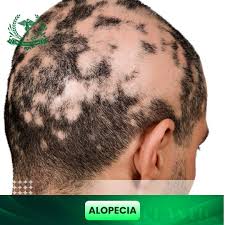
Alopecia refers to hair loss from the scalp or other parts of the body. It can be temporary or permanent, mild or severe, and may affect people of all ages and genders.
Hair loss typically occurs when the hair growth cycle is disrupted. Normally, hair grows, rests, and sheds in a continuous cycle. When this cycle is disturbed due to stress, illness, genetics, or autoimmune conditions hair may fall out excessively or stop growing altogether.
Types of Alopecia:
Understanding the type of alopecia you are experiencing is an important step toward treatment and emotional acceptance.
1. Alopecia Areata:
This is an autoimmune condition where the immune system mistakenly attacks hair follicles. It often results in round patches of hair loss on the scalp or body.
2. Androgenetic Alopecia:
Also known as male or female pattern baldness, this is the most common type of hair loss. It is largely hereditary and progresses gradually over time.
3. Telogen Effluvium:
This type is often triggered by stress, illness, or hormonal changes. It causes diffuse hair shedding across the scalp.
4. Alopecia Totalis and Universalis:
More severe forms of alopecia areata, where total scalp hair (totalis) or all body hair (universalis) is lost.
5. Traction Alopecia:
Caused by tight hairstyles or repeated pulling of hair, this type is often preventable.
Causes of Alopecia:
Hair loss can have multiple causes, and often it is not just one factor but a combination:
- Genetics Family history plays a major role in pattern baldness
- Autoimmune conditions The body attacks its own hair follicles
- Stress and trauma Emotional or physical stress can trigger hair shedding
- Hormonal changes Pregnancy, menopause, thyroid disorders
- Nutritional deficiencies Lack of iron, protein, or vitamins
- Medical treatments Chemotherapy, certain medications
- Scalp conditions Infections or skin disorders
The Emotional Impact of Hair Loss:
From a therapeutic standpoint, alopecia is not just about hair—it is about identity, control, and self-worth.
Many individuals report feeling:
- Embarrassed or self-conscious
- Anxious in social situations
- Depressed or withdrawn
- Fearful of judgment or rejection
Hair often symbolizes youth, beauty, and vitality. Losing it can feel like losing a part of yourself.
Therapist Insight:
It is important to acknowledge your feelings rather than suppress them. Hair loss can be a form of griefgrief for how you used to look or feel. And like any grief, it deserves compassion, patience, and understanding.
A Therapeutic Approach:
1. Acceptance Without Giving Up:
Acceptance does not mean you stop seeking treatment it means you stop fighting yourself. You can work toward solutions while still treating yourself with kindness.
2. Reframing Your Identity:
Your identity is not defined by your hair. It includes your personality, values, skills, and relationships. Therapy often helps individuals shift their self-image beyond physical appearance.
3. Emotional Expression:
Talk about your experience. Whether it’s with a therapist, friend, or support group, sharing reduces emotional burden.
4. Mindfulness and Stress Reduction:
Since stress can worsen hair loss, practices like meditation, breathing exercises, and journaling can help regulate your emotions.
5. Challenging Negative Thoughts:
Replace thoughts like:
- “I am unattractive without hair”
with - “My worth is not determined by my appearance.”
Treatment Options for Alopecia:
Treatment depends on the type and cause of hair loss. Some options include:
Medical Treatments:
- Topical treatments like minoxidil
- Oral medications such as finasteride (for certain types)
- Corticosteroids for autoimmune conditions
- Immunotherapy in severe cases
Natural and Lifestyle Approaches:
- Balanced diet rich in iron, protein, and vitamins
- Gentle hair care routines
- Avoiding tight hairstyles
- Managing stress
Cosmetic Solutions:
- Wigs and hairpieces
- Scalp micropigmentation
- Hair transplants
The Role of Mental Health Support:
Seeking professional support can make a significant difference. Therapy can help you:
- Build self-esteem
- Manage anxiety and depression
- Develop coping strategies
- Improve body image
Cognitive Behavioral Therapy (CBT) is especially effective in addressing negative thought patterns related to appearance.
Supporting Someone with Alopecia:
If someone you know is experiencing hair loss:
- Listen without judgment
- Avoid minimizing their feelings
- Offer emotional support rather than quick solutions
- Respect their choices about treatment or appearance
Sometimes, simply saying “I’m here for you” is enough.
Breaking the Stigma Around Hair Loss:
Society often places unrealistic expectations on appearance. Hair loss, especially in women, can be stigmatized. However, awareness is growing, and more people are embracing natural beauty and diversity.
Public figures and communities are helping normalize baldness and hair loss, encouraging acceptance and confidence.
Self-Care Tips for Alopecia:
- Practice daily affirmations
- Focus on what your body can do, not just how it looks
- Dress in ways that make you feel confident
- Engage in activities that bring joy and purpose
- Limit comparison with others
When to See a Doctor:
Consult a healthcare professional if:
- Hair loss is sudden or severe
- You notice patchy hair loss
- There is itching, redness, or pain
- Hair loss affects your mental health significantly
Early diagnosis can improve treatment outcomes.
A Therapist’s Closing Reflection:
Hair loss can feel like an unexpected journey one you didn’t choose. But within this journey lies an opportunity for deeper self-discovery.
You are not defined by your hair.
You are defined by your resilience, your courage, and your ability to keep showing up—even when it’s hard.
Healing is not just about regrowing hair. It’s about regaining confidence, self-acceptance, and emotional balance.
Conclusion:
Alopecia is a complex condition that affects both the body and the mind. Understanding its causes, treatments, and emotional impact is essential for holistic healing.
With the right support medical, emotional, and social you can navigate hair loss with strength and dignity.
Remember: you are still whole, worthy, and enough exactly as you are.