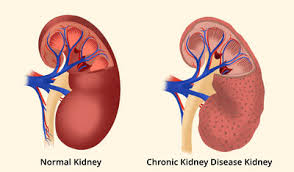
Chronic Kidney Disease (CKD) is a long-term medical condition in which the kidneys gradually lose their ability to function effectively. The kidneys play a vital role in filtering waste, excess fluids, and toxins from the blood. When they stop working properly, harmful substances build up in the body, leading to serious health complications. Chronic Kidney Disease is a growing global health concern, affecting millions of people worldwide, often without noticeable symptoms in its early stages.
What is Chronic Kidney Disease?
Chronic Kidney Disease is a progressive condition that develops over months or years. It occurs when the kidneys become damaged and are unable to filter blood efficiently. This results in the accumulation of waste products, electrolyte imbalances, and fluid retention. Chronic Kidney Disease is categorized into five stages, ranging from mild kidney damage (Stage 1) to complete kidney failure (Stage 5), also known as end-stage renal disease (ESRD).
Causes of Chronic Kidney Disease:
Several underlying health conditions and lifestyle factors contribute to Chronic Kidney Disease. The most common causes include:
- Diabetes: High blood sugar levels damage kidney blood vessels over time.
- High Blood Pressure: Increased pressure can weaken kidney function.
- Glomerulonephritis: Inflammation of the kidney’s filtering units.
- Polycystic Kidney Disease: A genetic disorder causing fluid-filled cysts.
- Recurrent Kidney Infections: Frequent infections can lead to permanent damage.
- Prolonged Use of Medications: Overuse of painkillers and certain drugs can harm the kidneys.
Symptoms of Chronic Kidney Disease:
In the early stages, Chronic Kidney Disease may not show clear symptoms. As the condition progresses, individuals may experience:
- Fatigue and weakness
- Swelling in legs, ankles, or feet
- Shortness of breath
- Nausea and vomiting
- Loss of appetite
- Frequent urination, especially at night
- Muscle cramps
- Dry and itchy skin
Because symptoms often appear late, regular health checkups are essential for early detection.
Risk Factors:
Certain individuals are at higher risk of developing Chronic Kidney Disease including:
- People with diabetes or hypertension
- Individuals with a family history of kidney disease
- Older adults
- Smokers
- People who are overweight or obese
Diagnosis:
Early diagnosis plays a key role in managing Chronic Kidney Disease effectively. Doctors use several tests to evaluate kidney function:
- Blood Tests: Measure creatinine levels to assess kidney performance
- Urine Tests: Detect protein or abnormalities
- Glomerular Filtration Rate (GFR): Estimates kidney function level
- Imaging Tests: Ultrasound or CT scans to check kidney structure
Treatment Options:
Although Chronic Kidney Disease cannot always be cured, its progression can be slowed with proper treatment and lifestyle changes. Common treatment approaches include:
1. Medications:
Doctors may prescribe medications to control blood pressure, manage blood sugar, reduce cholesterol, and treat complications such as anemia.
2. Lifestyle Changes:
- Maintain a healthy diet low in salt and processed foods
- Exercise regularly
- Quit smoking
- Limit alcohol consumption
3. Dialysis:
In advanced stages, dialysis may be required to remove waste and excess fluid from the blood artificially.
4. Kidney Transplant:
For severe cases, a kidney transplant may be the most effective long-term solution.
Diet for CKD Patients:
Diet plays a crucial role in managing Chronic Kidney Disease. A kidney-friendly diet typically includes:
- Low sodium intake
- Controlled protein consumption
- Limited potassium and phosphorus
- Increased intake of fresh fruits and vegetables (as recommended by a doctor)
- Adequate hydration
Patients should always consult a healthcare provider or dietitian before making dietary changes.
Prevention of Chronic Kidney Disease:
Preventing Chronic Kidney Disease involves maintaining overall health and managing risk factors:
- Keep blood sugar levels under control
- Monitor blood pressure regularly
- Stay physically active
- Eat a balanced and nutritious diet
- Avoid unnecessary use of medications
- Drink sufficient water
- Get regular medical checkups
Complications of Chronic Kidney Disease:
If left untreated, Chronic Kidney Disease can lead to severe complications such as:
- Heart disease
- Fluid buildup in lungs
- Bone weakness
- Anemia
- Nerve damage
- Kidney failure
Early intervention can significantly reduce these risks.
Conclusion:
Chronic Kidney Disease is a serious yet manageable condition if detected early. Awareness, regular health screenings, and a healthy lifestyle are key to preventing and controlling Chronic Kidney Disease. By taking proactive steps and following medical advice, individuals can slow the progression of the disease and maintain a better quality of life. Understanding the causes, recognizing symptoms, and adopting preventive measures can make a significant difference in kidney health.