Role of Nutrition in Managing PCOS
Polycystic Ovary Syndrome (PCOS) is one of the most common hormonal disorders affecting women of reproductive age. Although it is widely known for causing irregular menstrual cycles and fertility challenges, PCOS also significantly impacts metabolic health.
A key underlying factor of PCOS is insulin resistance, where the body cannot use insulin effectively. To compensate, the pancreas produces excess insulin, which promotes fat storage particularly around the abdomen and increases androgen (testosterone) production. Elevated androgen levels contribute to symptoms such as acne, unwanted hair growth, hair thinning, and disrupted ovulation. Together, insulin resistance and hormonal imbalance make weight management more difficult.
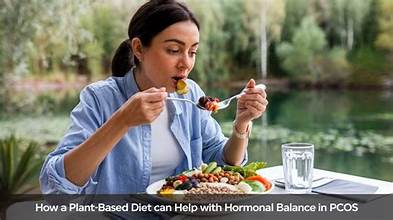
Because of these mechanisms, nutrition plays a vital role in PCOS management. A balanced diet rich in whole grains, lean proteins, healthy fats, fiber-rich vegetables, and low-glycemic foods helps stabilize blood sugar, reduce inflammation, and improve insulin sensitivity. Proper nutrition also supports emotional well-being, energy levels, and long-term cardiovascular health.
Adopting consistent, healthy eating habits can significantly reduce PCOS symptoms and improve overall quality of life.
Smart Food Choices for Managing PCOS:
A PCOS-friendly diet focuses on natural, minimally processed foods that nourish the body and support hormonal balance. One of the most effective dietary approaches is the low-glycemic index diet, which prevents sudden blood sugar spikes and supports better insulin control.
Fiber-rich foods are especially beneficial. Fiber slows digestion and allows glucose to enter the bloodstream gradually, reducing insulin stress. Whole grains, legumes, vegetables, berries, pears, nuts, and seeds improve digestion while supporting heart health.
Protein is equally important. Adequate protein intake helps regulate appetite, preserve muscle mass, and support metabolism. Lean sources such as eggs, chicken, turkey, seafood, tofu, and low-fat dairy products keep you full longer and reduce cravings. A protein-rich breakfast can be particularly helpful for maintaining steady blood sugar throughout the day.
Foods to Reduce for Better PCOS Control:
Certain foods can worsen PCOS symptoms by increasing inflammation and insulin resistance. While occasional treats are acceptable, frequent intake of low-quality foods can slow progress.
Sugary drinks, desserts, and processed snacks rapidly raise insulin levels, encouraging fat storage and excess androgen production. Refined carbohydrates such as white bread, pastries, and packaged snacks digest quickly and cause energy crashes.
Highly processed convenience foods often contain unhealthy fats, excess sodium, and additives that promote inflammation and disrupt hormonal balance. The goal is not complete elimination, but mindful limitation.
Replacing these foods with nutrient-dense whole foods improves insulin sensitivity and supports long-term health.
The Importance of Healthy Fats and Vegetables:
Healthy fats are essential for hormone production and inflammation control. Unsaturated fats from avocados, olive oil, nuts, seeds, and fatty fish improve skin health, regulate menstrual cycles, and support overall hormonal balance.
Non-starchy fruits and vegetables should form the foundation of daily meals. Leafy greens, broccoli, peppers, mushrooms, citrus fruits, berries, and melon provide antioxidants, vitamins, and minerals without causing blood sugar spikes.
Together, fiber-rich foods, lean proteins, healthy fats, and low-starch produce create a powerful nutritional foundation for PCOS management.
Lifestyle Habits That Support PCOS Management:
Nutrition works best when combined with healthy lifestyle habits. Regular physical activity improves insulin sensitivity, supports muscle mass, and enhances mental well-being.
Aim for at least 150 minutes of moderate aerobic activity per week along with two to three strength-training sessions. Even short movement breaks, such as brief walks or home exercises, contribute to better metabolic health.
Hydration is also essential for digestion, circulation, and energy. Regular medical follow-ups ensure symptoms are monitored and treatments remain effective.
Consistency matters more than perfection. Small, daily choices lead to meaningful long-term results.
Meal Timing and Portion Control for PCOS:
Eating smaller, balanced meals every three to four hours helps stabilize blood sugar and prevent overeating. Evening meals should be lighter, emphasizing protein, vegetables, and healthy fats while limiting refined carbohydrates.
A simple portion guide includes:
- Palm-sized lean protein
- Fist-sized whole grains or starchy vegetables
- Thumb-sized healthy fats
- Generous non-starchy vegetables
- Small portions of low-sugar fruit
Mindful portions support better insulin control and sustained energy.
Smart Snacking for Stable Energy:
Healthy snacks prevent extreme hunger and support steady blood sugar. The best snacks combine protein and fiber, such as:
- Apple slices with nut butter
- Hummus with vegetables
- Hard-boiled eggs with nuts
- Unsweetened yogurt with seeds and fruit
Avoid high-sugar snacks that cause rapid energy crashes. Drinking enough water and listening to hunger signals also helps prevent unnecessary snacking.
Conclusion:
Managing PCOS is not about strict dieting or perfection it is about creating a balanced, sustainable lifestyle. Through mindful nutrition, regular physical activity, proper meal timing, and consistent self-care, women with PCOS can significantly reduce symptoms, improve metabolic health, and enhance emotional well-being.
Every positive choice no matter how small contributes to hormonal balance, better energy, and long-term health. With patience, consistency, and self-compassion, living well with PCOS is not only possible, but achievable.